Featured Articles
- 12 Essential Travel Guides for Navigating Remote Culinary Destinations and Exclusive Food Experiences Worldwide
- "Beyond the Map: Uncovering the Secret Lives of Travel Guides in the Digital Age"
- "Lost in Translation: How DIY Translation Apps Are Reshaping Travel Guides for the Modern Explorer"
- "Lost In Translation: The Surprising Impact of Ai on Personalized Travel Guides and What It Means for Travelers"
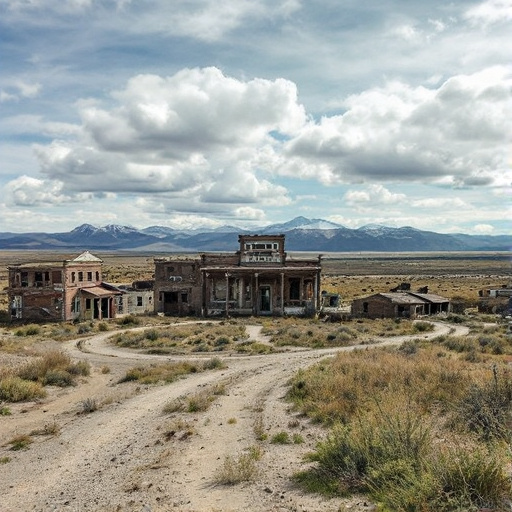
- Traveling Through Time: Exploring Ghost Towns and Abandoned Places as Unique Guide Destinations
Unveiling Travel Anarchism: Exploring the Rise of Rule-Breaking Wanderlust in the Age of Overcrowded Destinations
Unveiling Travel Anarchism: Exploring the Rise of Rule-Breaking Wanderlust in the Age of Overcrowded Destinations
In the age of overcrowded destinations and Instagram-worthy spots, a new movement is gaining traction: travel anarchism. This article explores the growing trend of defying traditional travel norms, embracing spontaneity, and seeking authentic experiences far from the tourist traps.
Definition of Travel Anarchism
Travel anarchism, at its core, is a rejection of the conventional travel playbook. It embraces individualism, spontaneity, and a deliberate choice to sidestep the overcrowded sites that saturate popular travel itineraries. As former travel blogger Nomadic Matt famously stated, “The world isn’t meant to be seen through the lens of a camera. Go out and experience it!” This philosophy encourages voyagers to engage more deeply with local cultures, thus fostering authentic connections instead of just ticking items off a checklist.
Statistics That Speak Volumes
According to a study by Expedia, a staggering 70% of travelers are currently seeking “off-the-beaten-path” destinations. The same study pointed out that this desire burgeoned during the COVID-19 pandemic when people became increasingly sensitive to overcrowded places and public health advisories. Notably, areas like Mongolia, the Faroe Islands, and parts of South America have witnessed a surge in tourism thanks to the aesthetic allure of untamed landscapes, fresh air, and relatively low foot traffic. With this rise, travel anarchism suggests that breaking away from established norms can lead to a more enriching experience.
The Crowded Traveler's Plight
Imagine this: It’s 3 PM on a Saturday, and you find yourself at the foot of the Eiffel Tower. Instead of a splendid view of this architectural wonder, you’re neck-deep in a sea of tourists, desperately trying to snap a selfie while maintaining your composure amidst the influx of people. Sound familiar? This hectic scene is emblematic of the modern-day traveler's dilemma. Tourists are increasingly frustrated with overcrowded hotspots, long lines, and inflated prices, leading many to reconsider their travel strategies.
Why We’re Breaking the Rules
So, why is this movement gaining momentum? A tantalizing aspect of travel anarchism is its call for personalization and individuality in our travel experiences. In a world oversaturated with social media influencers pushing the same exhausted itineraries, more travelers are rejecting cookie-cutter trips. Instead, they aim to embrace spontaneity, utilizing platforms such as Meetup or Couchsurfing to connect with locals and get a firsthand taste of culture that cannot be found in a guidebook.
Case Study: The Transformation of Thailand’s Tourist Hotspots
Take Thailand, for example, a country that has long been associated with tourist-heavy areas like Bangkok and Phuket. With a staggering 39 million visitors welcomed in 2019 alone, many local communities have struggled with the fallout of overcrowding: pollution, overcrowded beaches, and damaged ecosystems. In response, many travelers are now venturing into the lush mountains of Chiang Rai or the pristine beaches of Koh Yao Noi. By choosing less trodden paths, they engage more meaningfully with local traditions, such as participating in community-led conservation efforts while savoring more serene landscapes.
The Role of Technology
In the digital age, breaking the rules has never been easier. Travel apps such as Komoot and AllTrails offer customized itineraries based on outdoor adventures, enabling travelers to break free from the regimented plans that used to dominate the travel industry. Meanwhile, social media platforms allow for the curation of local “secret spots,” letting travelers in on hidden gems with fewer crowds. To illustrate, a simple hashtag search can lead you to undiscovered wonders, from hidden beach coves to hillside villages untouched by commercial tourism.
Challenging the Approach: How to Embrace Travel Anarchism
Those who wish to adopt this new approach to travel need not throw their old travel guides out the window just yet. Instead, consider how to incorporate elements of anarchism into your journeys:
1. Choose Your Destination Wisely
Instead of hopping on the train to the usual destinations, think outside the box. For instance, if you're planning a trip to Italy, consider visiting the lesser-known towns of Matera or Civita di Bagnoregio instead of Rome or Venice. These places offer incredible history, splendid architecture, and fewer crowds.
2. Travel Slow
Instead of taking a whirlwind trip, why not linger in one place for a more extended period? Slow travel means immersing yourself in local culture — from farming to cooking classes. Many travelers find that this experience fosters deeper relationships and offers unique insights into the local way of life.
3. Build Community
Engage with locals and learn from them. Social platforms make it easier to connect with unique experiences that do not appear in glossy brochures, from cultural festivals to traditional workshops. You can also contribute by participating in community service trips, helping you connect with locals while minimizing your environmental impact.
A Reflection on Travel Mindset
Travel anarchism challenges the mindset of “I have to see everything”. Instead, it flips the script to “I want to experience this.” The reflection on personal values extends beyond just travel; it promotes a broader perspective on how we approach life itself. As we become more in tune with our interests, we can make conscious decisions that align with our motivations, whether they be cultural exchange, adventure or self-discovery.
Humorous Take: The Tourists’ Survival Guide
Listen up, travel warriors! Forget about Instagram-perfect poses and sunny filter edits; the age of genuine moments is here. Do you really want to spend valuable vacation time wrestling a selfie stick in front of a crammed Colosseum while avoiding grandma's elbow in your frame? Here’s a friendly warning: your vacation photos will soon resemble a Dutch art piece featuring a heap of heads, limbs, and a striking lack of scenery!
Storytelling: The Spirit of Travel Anarchism
Let’s bring this all to life through a tale from my recent trip to the enigmatic shores of Albania. My friends and I had initially planned a standard itinerary filled with sights, but once we arrived, we felt a magnetic pull towards a less explored area called Ksamil. There, we stumbled upon local fishermen who invited us onto their boats, taking us to secluded beaches where the only company was the gentle sound of waves lapping against the shore. That day, we laughed, swam, and shared stories over fresh grilled fish while contemplating our newfound love for travel anarchism.
Conclusion: The Future of Wandering
The rise of travel anarchism marks a significant shift in how we view travel, encouraging us to examine our priorities, values, and motivations. As more people embrace this philosophy, we are likely to witness changes in how destinations market themselves, the types of experiences offered, and even conversations about sustainable tourism. Maybe the next time you pull out your travel guide, you’ll consider tearing it up and opting for spontaneity instead. Wander off with reckless abandon and redefine what it means to journey through this world, while creating deeper connections than ever before!
Related Articles