Featured Articles
- 12 Essential Travel Guides for Navigating Remote Culinary Destinations and Exclusive Food Experiences Worldwide
- "Beyond the Map: Uncovering the Secret Lives of Travel Guides in the Digital Age"
- "Lost in Translation: How DIY Translation Apps Are Reshaping Travel Guides for the Modern Explorer"
- "Lost In Translation: The Surprising Impact of Ai on Personalized Travel Guides and What It Means for Travelers"
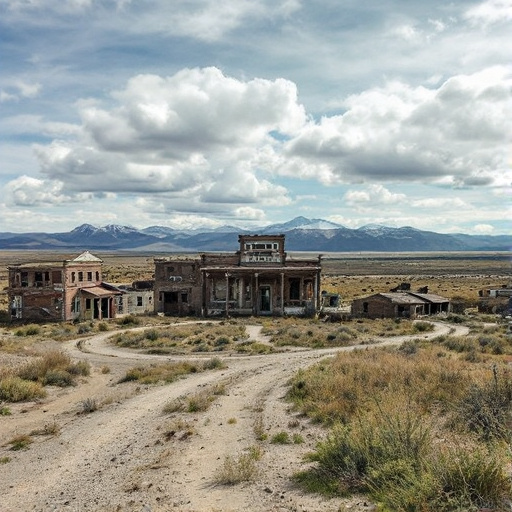
- Traveling Through Time: Exploring Ghost Towns and Abandoned Places as Unique Guide Destinations
"Beyond the Map: Uncovering the Secret Lives of Travel Guides in the Digital Age"
"Beyond the Map: Uncovering the Secret Lives of Travel Guides in the Digital Age"
In a world where travel information is just a click away, the role of travel guides has evolved dramatically. This article explores the multifaceted lives of contemporary travel guides, examining their challenges, successes, and the impact of digital transformations on their profession.
The Rise of Digital Nomads
As the world becomes more interconnected, the digital nomad lifestyle is on the rise. In fact, a 2021 study by MBO Partners revealed that over 15 million Americans consider themselves digital nomads, a number that continues to grow, fueled by remote work opportunities.
Imagine waking up to the soothing sound of waves crashing against the shore, an avocado toast in hand, as you plan your next adventure in Bali while working on your laptop. This lifestyle is not just a dream; it’s a reality for many, including travel guides who have embraced the freedom that technology provides.
The Evolution of Travel Guides
Gone are the days when a travel guide was merely a book that sat on a dusty shelf. Today’s travel guides wear many hats: they are social media strategists, content creators, and local lifestyle influencers. They must not only know where the best locales are but also how to effectively share those hidden gems across multiple platforms.
Travel guides are also stepping up their storytelling game. A 2020 report by the Content Marketing Institute found that 70% of consumers prefer to learn about a company through articles rather than ads, showing that the art of storytelling is more relevant than ever. For travel guides, their stories are not just informative; they provoke curiosity and excitement about a destination.
The Balancing Act: Authenticity vs. Commercialization
As guides navigate digital landscapes, they face an age-old dilemma: maintaining authenticity while also catering to commercial interests. According to a 2022 survey by Tourism Sentiment Index, 78% of travelers prefer genuine, personal recommendations over paid advertisements. Hence, many guides are evolving into brands themselves, curating experiences that resonate with their audience's desire for authenticity.
The Social Media Effect
Social media has revolutionized the way travel guides operate. Platforms like Instagram and TikTok have become essential tools for showcasing destinations, offering bite-sized travel tips, and curating visual documentation of experiences. The travel guide who can create compelling, shareable content not only reaches a broader audience but also wins the hearts of potential travelers.
Consider the impact of viral travel influencers; they often eclipse traditional guides. For instance, Lexi McCarty (@leximccarty) gained over 1 million followers with her short clips documenting breathtaking hikes and local cuisines. Her success showcases how personal branding can overshadow even the most established travel guides.
Life Behind the Scenes
Being a travel guide today is more akin to being a performer than simply leading a group through historical sites. They juggle social media engagement, client consultations, destination scouting, and, of course, the inevitable travel itself—often creating content on the go. According to a survey by the Global Association for the Exhibition Industry, 82% of guides spend additional time outside of work hours perfecting their online presence.
But it’s not all glamor and beach resorts. Many guides recount stories of airport delays, lost luggage, and navigating language barriers. As Paul, a travel guide in his late 20s, puts it, "Sometimes you end up in the wrong city after booking a flight to ‘Florence’ instead of ‘Florence, Italy’!" Such encounters often serve as material for their blogs or vlogs, doubling as both genuine experiences and marketable content.
Statistics That Shatter Misconceptions
One common misconception is that travel guides lead peaceful, idyllic lives filled only with leisure. However, statistics paint a different picture. According to the World Tourism Organization, 61% of travel professionals reported significant stress due to unpredictable schedules and the need for adaptability in post-pandemic travel. The truth is, while they inspire wanderlust, many guides are balancing heavy workloads and unpredictable job markets.
Moreover, the Pew Research Center found that 64% of adults in the U.S. find it challenging to trust online travel reviews, emphasizing the importance of credible sources—like trained travel guides—who have firsthand knowledge and experience.
Adapting to Change: The Digital Survival Kit
To thrive in a competitive landscape, travel guides have adopted a ‘digital survival kit’ approach. This includes honing skills like SEO optimization, photography, and video editing while remaining connected to local communities. In a niche market that thrives on recommendations, staying informed about local trends, cultural shifts, and even languages can set guides apart.
For instance, instead of just leading a tour through new vineyards in Tuscany, a savvy guide might take a wine course and introduce wine-tasting events, enhancing their credibility and enriching the experience. The integration of local nuances and expertise not only establishes authenticity but also creates a unique selling proposition.
Fostering Community Over Competition
Interestingly, in this rapidly evolving digital world, many travel guides find strength in collaboration rather than competition. Social media groups dedicated to travel professionals have become platforms where guides can share tips, tricks, and insights, fostering a sense of community. In fact, studies show that when guides collaborate, they can amplify their reach up to threefold, benefiting from each other’s audiences.
Consider the case of Together: A Travel Collective—a group of travel guides who offer bundled tours and shared experiences, increasing customer engagement and satisfaction through diverse offerings. Rather than competing for the same clients, they pool resources, creating a richer tapestry of experiences that attract a wider audience.
The Future of Travel Guides
So what does the future hold for these modern-day explorers? As virtual reality (VR) and augmented reality (AR) technologies advance, the lines between traditional travel guiding and digital experiences may blur. Imagine a future where potential travelers can virtually explore destinations before they book using immersive guides, paving the way for targeted, personalized trips.
Furthermore, the rising concern for sustainability and responsible tourism means guides will increasingly need to adapt their practices. Organizations like the Global Sustainable Tourism Council emphasize the importance of eco-friendly practices, ensuring that future tours will reflect the needs and values of conscientious travelers.
Coping with Burnout
The demanding nature of the industry can lead to burnout, a growing problem among travel guides. As Jenna, a seasoned travel guide in her late 30s, states, “Mental health is crucial; guides often overlook self-care while focusing on the needs of their clients.” Research indicates that 85% of travel professionals reported feelings of burnout post-pandemic due to fluctuating travel demands and increased pressure.
To combat this, many guides are integrating mindfulness practices into their routines and sharing these lessons with clients. For instance, offering guided meditation sessions before embarking on adventures can enhance client experiences and encourage personal well-being among guides, creating a more holistic approach to travel.
Final Thoughts: The Heartbeat of Adventure
Ultimately, travel guides in the digital age are more than just markers on a map; they are the storytellers, local experts, and community connectors that breathe life into destinations. They embrace change, harness the power of technology, and continue to inspire wanderlust in extraordinary ways.
As we continue to navigate a world that seems smaller yet more complex, it’s clear that the commitment and creativity of travel guides will always be at the forefront of the travel experience. Whether you’re in your teens eager to explore the world or enjoying your golden years with a passion for adventure, remember that behind every unforgettable journey, there is a dedicated travel guide shaping the experience.
Related Articles